
Ep. 53: Be A Visible Ally
EQ: With the start of the new - school year, how can educators be better allies to LGBTQ+ students and colleagues?
Guest: Caroline Kyle Menzia is an elementary school counselor at Geiger Montessori who helps facilitate Tacoma Public School's LGBTQ PLC (professional learning community). Here's their SWAY site for reference and resources you can use.
Caroline explains how she became passionate about working as an ally for children, especially LGBTQ students. She shares why it’s essential for schools to ensure that “Everyone is welcome” at school. Caroline makes the case that adults need to be visible allies who are flexible and not afraid to be uncomfortable.
Some tips she shares:
Be open to feedback from parents and community to help you be better
Normalize talking about pronouns
Put your pronouns in your email signature
Use your bulletin boards and bookshelves to create welcoming and safe spaces
Resources to support your work:
New OSPI health & physical education standards from OSPI
Do Your Fudging Homework:
Annie: GLSEN’s Safe Space Kit. Specifically, check out the guide to Being an Ally to LGBT Students. It’s a great resource for educators!
Hope: Add a book with an LGBTQ+ protagonist and/or authors
Caroline: GLSEN steps for responding to anti-language--PRACTICE THIS AT HOME IN THE MIRROR. Decide 3-4 things you will do starting TODAY!

Ep. 52: You're Not Innovating If You're Not Solving Problems
***NOTE TO LISTENERS: We recorded this episode at the start of summer. Apologies for anything that feels dated.
EQ: How can the ed tech industry work with schools, teachers, and within its own ranks to create equity?
Guest: Holly Morris is an educational technology innovator whose work over the last 10 years has focused on facilitating the creation of engaging learning environments at every point on the spectrum: Pre-K to higher ed. She studied law at Berkeley and holds an MA in Education Policy from the University of Washington.
Holly explains the meaning of ed tech - technology solutions that help schools on the back end (administrative tasks, payroll, etc.) and the front end (teacher, student, and classroom tools). She shares her experience with Global Voice - a tech platform to help all the stakeholders in the ELL system - and equity work within the tech sector, including racial and gender inclusion. Holly also drops some knowledge about how innovative educational technologies are funded, including through private grants and philanthropy (it’s expensive to fail!). She makes projections for the future of ed tech and emphasizes the importance of developing technology that serves users and their specific needs within schools.
Champagne and Real Pain:
Champagne - we want to raise a glass/ pour one out for...
All the educators who are in the middle of their summer break. We know you won’t slow down - you’re probably at Target or at school and on Teachers Pay Teachers right, don’t lie - but it’s summer. Cheers!
Holly - open schools (Charter Schools Commission)
Real Pain - we want to call one out for
Summer day camps that don’t let campers go inside when it’s 90+ degrees outside. Give those kids some shade! Like actual shade!
Do Your Fudging Homework:
Annie: Google search “assistive tech in education” and check out some of the amazing things people are creating to make learning more accessible for people with disabilities.
Hope: Global Voice website
Holly: check out IDEO popularized Design Thinking; Arizona State University Service Blue printing

Ep. 51: Regressive and Racist: A Chat About Taxes
EQ: How are taxes a social justice issue and what are smart people doing about it?
Guest: Alison Cheung, Guest from Channel 253 Adult Civics Happy Hour “The Case for Progressive Taxation”
Communications Hub Manager at Fuse Washington, a progressive political organization. Alison is a graduate of the University of Washington, where she worked on education accessibility and yelled a lot about racist housing covenants. She is currently working on tax reform.
Alison drops some serious knowledge about Washington’s ass-backwards tax system and how it hurts people in poverty, especially people of color. Sub-topics include her effort to stop using the word marginalized (see UW Dream Project), the important work of Fuse Washington in tax justice issues, helping progressives tell a better story (via The Poet Salon and All in For Washington), working with communities that have been most impacted by our tax structure there, the systemic problems with our state tax structure (it’s regressive!), and possible solutions (a more progressive Real estate excise tax, ending Tax Breaks & loop holes - Washington State Budget & Policy Center, better distribution of wealth, and actually getting people to care about poor Black and brown communities). Additional reading includes (but is not limited to): How Racism Kept Black Tacomans from Buying Houses for Decades.
Champagne & Real Pain:
Champagne - we want to raise a glass for:
Ava DuVernay for her new Netflix creation, “When They See Us” about the Central Park 5. DuVernay is a queen of cinema and a national treasure.
Roxanne Gay!! Redefining a type of voice a queer woman can have
EJ Ramos--model minority mix is erasing other Asians
Real Pain - we want to call one out for
Meghan McCain for hypocritically accusing Amy Klobuchar of exploiting her father John McCain’s legacy for political gain. That’s literally Meghan’s day job.
Do Your Fudging Homework:
Annie: pressure your legislators to fix our broken tax system that hurts everyone except the wealthiest. Go on leg.wa.gov to find their contact information and turn up the heat.
Hope: The Breakup Playlist on Netflix
Alison: Jeff Chang “We Gonna Be Aight” (check out the NerdFarmReads episode)

Ep. 50: Let's Talk Intergaycial Relationships
SINCE RECORDING THIS HAPPENED IN TACOMA!!
EQ: Why is it important to recognize and/or celebrate Pride?
Guests: Cal-Jean Lloyd-Wagner, MS Language Arts teacher & Cat Melaunie, kindergarten teacher and previous guest on Ep. 22 That’s Pinteresting!)
We recorded this episode to celebrate Pride season. From funny coming out stories and a debate on how many rainbows is too many rainbows, we hope our listeners will learn a little more about how to support their LGBTQ+ friends and neighbors. Since we never shy away from complicated topics and work hard to think about the world intersectionality, we also dip into a discussion on what’s wonderful, challenging, and unique about being in an intergaycial relationship[ (that’s short for interracial & gay!).
Ways to support Pride this month:
Oasis Youth Center meal time, MDC Langelo@mdc-hope.org
Go read Aristotle & Dante Discover the Secrets of the Universe, Dear Rachel Maddox
Get rid of needlessly gendered language (try to be more neutral)
Newish Segment Champagne & Real Pain Sir Bacon or Tom Waits:
Champagne - we want to raise a glass/ pour one out for
Lisa Keating. Go support her campaign for Tacoma School Board.
The organizations doing real work to help queer youth, especially those who have been rejected by their families and need a safe place to land. Locally, we’d like to raise a glass to Oasis Youth Center and PFLAG in Tacoma. The Trevor Project is also doing amazing work in the way of LGBTQ+ youth suicide prevention.
Real Pain - we want to condemn these people & actions
Anti-gay and anti-trans violence. Leave people the hell alone and let them be themselves. Literally nothing bad will happen if you just mind your business.
To all anti-LGBT bills that emerge every year
Do Your Fudging Homework:
Annie: I never thought I’d say this, but consider patronizing the Cracker Barrel in Cleveland, Tennessee. The store recently rejected a request for a meeting space from a homophobic pastor who called for the execution of gay people. While Cracker Barrel is far from perfect, they’ve come a long way. Plus they have old timey candy and pretty good biscuits.
Hope: Support Lisa Keating for school board
Cat: My bday gift and send it inter-office mail
Cal-Jean: put up signage about being open and affirming to all families

Ep. 49: An Interview with Reign FC Forward Darian Jenkins
EQ: How has the explosive growth of professional women’s soccer changed the conversation about the game?
Guest: Darian Jenkins, #11, attacking forward for Reign FC
From how she fell in love with soccer and how her degree in English Language & Literature helps her on the pitch to why she loves coaching young women as the Assistant Coach for Reign FC Academy, Darian shares insights into the game and life. We also discuss challenges young women (especially women of color) face in a superficial and beauty focused world.
Find out more about references in the show:
The USWNT’s Equal Pay Lawsuit is a Fight For All Women’s Sports
The USWNT Is Fighting for Greater Equity While Playing Their Fourth World Cup
When it Comes to Diversity, Is Women’s Soccer Making Progress?
Book Recs:
Educated by Tara Westover
The Sun Does Shine by Anthony Ray Hinton
When Breath Becomes Air by Paul Kalanithi
Can’t get enough of Darian Jenkins, read some of the stories below:
Check out these other soccer related podcasts in the Channel 253 Network:
Do Your Fudging Homework:
Annie: Stop what you’re doing and go buy tickets for a Reign game.
Hope: Since recording--GO READ THE NATIONAL TEAM BY CAITLIN MURRAY
Darian: White Fragility by Robin DiAngelo
PS: go listen to the IWL interview with Robin DiAngelo
SHOUT OUT TO DARIAN’S MOM!!!!

Ep. 48: The Case for Cat Scarves and Creativity
EQ: How can creating & creativity be used to form human connections and change the world?
As Emily eloquently states, “Art is something I do to engage my creativity, connect with people, and make things that I can see and be proud of”. Throughout this episode we discuss the joys of designing and creating and what it can do for the soul especially in tough political times. We also dissect the merits of TRIO & Upward Bound and how Emily became MLS Watercolors. In this episode we introduce a new segment called “champagne and real pain.” We raise a glass for Christa Davis.Art, Little Nas X elementary school Ohio, Tilly the Artist (Afrofuturism Art) and award real pain to raging humans and Representative Steve King of Iowa
Do Your Fudging Homework:
Hope: go buy something from MLS Watercolors (like a Sounders cat scarf)
Annie: pick up that creative activity you’ve been neglecting. As a teacher, I put off creative projects during the school year and pick them back up in the summer. Find your thing!
Emily: Making It on Hulu, Blood Song Eric Drooker, Allen Ginsberg Illuminated Poems
PS—don’t forget to read Carol Anderson’s White Rage for our next #readlessbasic book club

Ep. 47: Parenting While White
EQ: What should white parents do to equip their children to understand the functions of race in order to combat racism?
Guest: Malia Jacobsen, author of the column “Beyond Tolerance” for ParentMap. Malia Jacobson is an award-winning health and parenting journalist and mom of three who contributes regularly to more than 120 national and regional publications and has written two books on sleep.
In this episode, we sit down with Malia Jacobson to talk about the importance of intentionally talking about race with white children. Highlights include:
Malia’s journalistic work at Parentmap, a resource for parents and families in the Puget Sound region.
How white parents respond and shape the conversation around gendered toys (specifically her work writing about toy guns).
How the new generation of parents has to come into talking about race in their own way (and not opting out).
How children are born into this racial environment and parents have to coach them to be ready (Nurture Shock--the environment IS the lesson).
Do Your Fudging Homework:
Annie: Anti-Racism Resources for Parents and Teachers from the Barefoot Mommy Blog.
Malia: Better w/ Books Melissa Hart

Ep. 46: Don’t be a Passive Progressive Educator
EQ: How are education association leading anti-racist work in education?
Guest: Marquita Prinzing---NBCT, elementary school teacher, mother of a 3 and almost 6 yr old. Director of SEA Center for Racial Equity
In this episode we discuss the role of teachers and unions in leading anti-racist work. We define equity literacy and the ways in which white teachers need to develop their own racial literacy instead of fumbling in their pseudo-wokeness or expecting teachers of color to carry the burden. We also wrestle with what it means to be unapologetic to our students of color.
Resources to explore:
Defining Equity Literacy (equity and inequity; justice vs. injustice)--Paul Gorsky
Families of Color, Seattle
Do Your Fudging Homework:
Annie: Dear White Teacher: 13 Books to Read on Racial Literacy by Bethany M. Edwards at Biracial Bookworms
Marquita: Check out SEA-Racial.Org; Tracy’s work at Teacher Activist.Com; Katlyn Kamala Jenkins Colorful Pages.Org
Don’t forget to subscribe to Channel 253

Ep. 45: Not All Theater is Activist, but All is Political
EQ: How can the theater arts be a tool for racial and social justice?
Guest: Sara Freeman, UPS Theatre Department
In this episode we chat about the etymology of dramaturgy, discuss the power of theater as a medium to both reflect and influence society, and how every choice in theater is intentional (whether the director wanted it to be or not). We discuss the challenges of funding arts programs, finding young artists where they are, and how to intentionally elevate new voices.
Freeman’s Favorite Playwrights:
Timberlake Wertenbaker “Our Country’s Good”
Also referenced during the episode:
C. Rosalind Bell, Tacoma Playwright
Guilty-Favsies:
Annie: the Best of Broadway on Spotify
Hope: bingeing short little shows on Netflix
Sara:Hostess cupcakes; Belinda Carlisle
Do Your Fudging Homework:
Annie: the Kennedy Center has a variety of resources on arts integration under a program called Arts Edge
Hope: Support local theater
Sara: Read August Wilson’s “Century Cycle” and go support local theater by watching “Mojada” at Tacoma Arts Live. Directed by Maria Tania Barreca, a new professor at UWT
Ep. 44: Educated for Liberation

EQ: What does it mean to be educated for liberation and why does it matter?
Guest: Kelly Nicholls, local educator and organizer around the concept of liberated learning (we will hear more about it Radical Educator Academy! See flyer below).
School leader and change-maker Kelly Nicholls joins us to discuss her journey into education and leadership and the importance of changing the education system from within. Topics include:
Education centered on white supremacy, including white modes of communication and hierarchical white spaces.
Radical academy/education as liberation: resisting oppressive patriarchal systems within existing systems.
Anti-blackness in schools - resisting treating Black people as a monolith and one size fits all approaches to discipline.
Individual teachers combating anti-blackness by lessening the prevalence of whiteness in curriculum and pedagogy.
Guilty Favesies
Annie: saying yes to everything
Hope: eyeliner
Kelly: cigarettes (no longer a smoker, but they’re hard to quit!)
Do Your Fudging Homework
Annie: Radical Teacher, a peer-reviewed academic journal on current social justice issues in education. Past issues available online.
Hope: The Power Flower (Nicole Hurt)
Kelly: Connect and follow #ClearTheAir on Twitter

Ep. 43: We’re in the Fire: On Teacher Diversity & Genuine Equity
EQ: What role does teacher training play in the health of our schools and the future of the teaching profession?
Guest: Tamar Krames, 2006 MIT grad, Art/ELL teacher, OSPI, currently adjunct faculty for the Master’s in Teaching at Evergreen State College
The journey to teaching is different for everyone and our amazing guest Tamar focuses on what it means to have a transnational perspectives. We discuss the relationship between literacy and language, then transition to the problem of lack of “teacher diversity.” Tamar challenges us and our listeners to expand the way we think about this and the way that all CURRENT teachers can strive to address the issue of representation (we can add books, artwork, and broaden curriculum choice). She also reminds us that teacher diversity isn’t just race, but also about language (English) supremacy (but one way to “write and think smart”) and additional intersecting oppressions that keep amazing people out of the profession. Systemically, we need to consider who is seen as an expert and make our schools places that teachers want to stay (teacher of color retention).
We transition to the role of teacher prep programs in diversifying the field, supporting culturally responsive teaching practices, and the unspoken assumptions that being a person of color means you’d be able to work cross-culturally. There are programs intentionally working to recruit and support teachers of color. Some reading:
Guilty Favesies:
Annie: vegan milkshakes
Tamar: Star Trek
Hope: Hi-Chews
Do Your Fudging Homework:
Annie: One Teacher in 10 by Kevin Jennings
Tamar: Youth Librarians! Go talk to them & read

Ep. 42: Equity is Not the Outcome
EQ: What does equity look like, sound like, and feel like within complex organizations?
Guest: Desiree Finch, Leadership Development, Union Organizer, and Pierce Co Manager for Fuse WA.
“As Fuse’s Pierce County Organizer, Desiree’s mission is to build leaders to resist Trump’s agenda, lead efforts to clean up our state’s upside-down tax code, and help progressives win back key local offices. Desiree will also play a leading role in implementing Fuse’s racial equity plan by enabling Fuse to become a strong ally with underrepresented communities in Pierce County."
In this episode we discuss the notion of organization and development, including industrial psychology. Desiree compares and contrasts equity work in WA state vs other states, specifically drawing on her experience in union organizing. Lastly, we chat about how to maintain hope in the Trump era.
Do Your Fudging Homework
Annie: This is primarily for educators, but could be really useful to anyone confronting racism in the workplace. Seattle Public Schools has a Racial Equity Analysis tool, and it serves as almost like an environmental impact statement, but for actions that may cause inequity or broaden the opportunity gap and how to avoid those outcomes. It’s not totally comprehensive, but it’s a good start.
Desiree: desiree@fuse.org; go to org to do equity training---get consultancy find money and hire someone such as Archer Consulting

Ep. 41: An Interview With Author Robin DiAngelo
Special Guest: Dr. Robin DiAngelo has a PhD in Multicultural Education from the University of Washington in Seattle in 2004 and is a two-time winner of the Student’s Choice Award for Educator of the Year at the University of Washington’s School of Social Work. She is the author of White Fragility, Why It’s So Hard For White People To Talk about Racism (2018), and What Does It Mean to Be White: Developing White Literacy (2012). Check out this NEWLY RELEASED, FREE White Fragility Reader’s Guide
We were elated to conduct this interview! Some highlights of the conversation include:
A description of “whiteness studies”.
The elevation of white people as the norm for humanity which reproduces white supremacy & white fragility when you challenge it.
No matter where you travel in the world, white fragility is the SAME (even if the history of the region is different).
Anti-blackness is EVERYWHERE--doesn’t matter what country (ex. Aboriginals in Australia and Native people in Canada).
White people don’t understand that we bring our histories to each situation. In particular, teachers bring this history of harm, especial for students of color. Teachers get offended rather than understanding the context of time and place. See the example of The Citadel, an all-male military school.
Race work is sometimes “only” given to people of color which reinforces the notion that we’re racially innocent. There is no “clean” space outside white supremacy.
A mapping out of Mark Meadows white fragility in response to Tlaib’s speech
People have a hard time talking about race because they are afraid of being called a racist and want to point out all the ways they aren’t a racist.
They want to be divorced from that term. In particular, white men get to yell and shout and be victims when they want to.
Advice for white parents: Slow it down, do your own work around your whiteness. When children of color (with white parents) have some structural analysis they do better--it’s not just about “something is wrong with me”. Check out DiAngelo’s resources for white parents.
The interview questions were listener-driven. Shout out to: Jennifer B, John M, Shannon M, Marguerite M, Siri K, Jacquie J, Stephen M, and Hilary S.
Do Your Fudging Homework:
Download Me & White Supremacy Workbook by Layla Saad
Acquire & read White Rage by Carol Anderson for our next readlessbasic book club

Read Less Basic Book Club: White Fragility by Robin DiAngelo
Discussion Highlights Include:
Passages that resonated with us - insights, challenges, surprises, and takeaways
Discussion around the idea that “Racism is a structure, not an event,” (J. Kēhaulani Kauanui)
Colorblindness and associated issues
White women’s tears
Personal experiences dealing with racism as perpetrators or bystanders and how white people must disrupt racism to make any meaningful change
Lessons from the book that we can apply to our everyday lives and next steps
Listener To Do List:
Read White Fragility by Robin DiAngelo so this episode makes sense
Reach out to IWL on social media if you have questions for Robin DiAngelo - we’re interviewing her in early March!
Become a subscribing member of Channel 253
Borrow or buy (at your favorite local bookstore) our next #readlessbasic book - White Rage by Carol Anderson
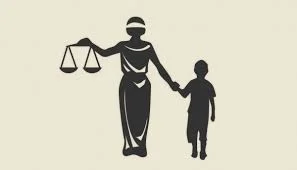
Ep. 40: Lady Justice: an Interview with Lawyer Jacqueline Justice
EQ: Why are issues of justice are important for the average person to understand in 2019?
Guest: Jacqueline Justice
Highlights of this episode include:
What it’s like to work inside the Social Security Administration as a decision writer and how the system can be improved for people with disabilities (cultural competency training, better vocational training, and a functional healthcare system).
How Washington’s social safety nets are better (and worse) than other states and what we do well (Department of Vocational Rehabilitation, or DVR is one example).
The basics of Dependency Court, including racial disparities and disproportionalities - African American children are twice as likely to enter the system and most people who work in it are white women.
Get nerdy and read some of these reports
Or these publications from Court Appointed Special Advocates (CASA)
Or this from Frontline
The ins and outs of the adult advocacy roles, including attorney, CASAs, and GALs (guardians ad litem).
What it’s like being a woman of color in a field (law) that is dominated by older white males, including the intersectionality of race and gender in the court.
The compounding effect of the homelessness crisis (and housing instability in general) on kids in crisis.
How the state lacks the ability to sustain comprehensive programs - we tend to focus on fixing individual pieces but not the whole situation or the whole family.
The benefit of local programs, like the Tacoma Housing Authority.
Jacqueline's Magic Wand Wishes: universal health care and good vocational training.
Maintaining a trauma-informed approach to the work of law in order to lead the profession in a compassionate way.
Guilty Favesies:
Annie: Game apps like Candy Crush Blossom Blast
Jackie: “How to Get Away with Murder” and other crime shows
Hope: the show “You”
Do Your Fudging Homework:
Jackie: the CASA program, The New Jim Crow by Michelle Alexander
Hope: White Rage by Carol Anderson
Annie: Donate locally to support youth in crisis and the programs that help them such as Fostering Together
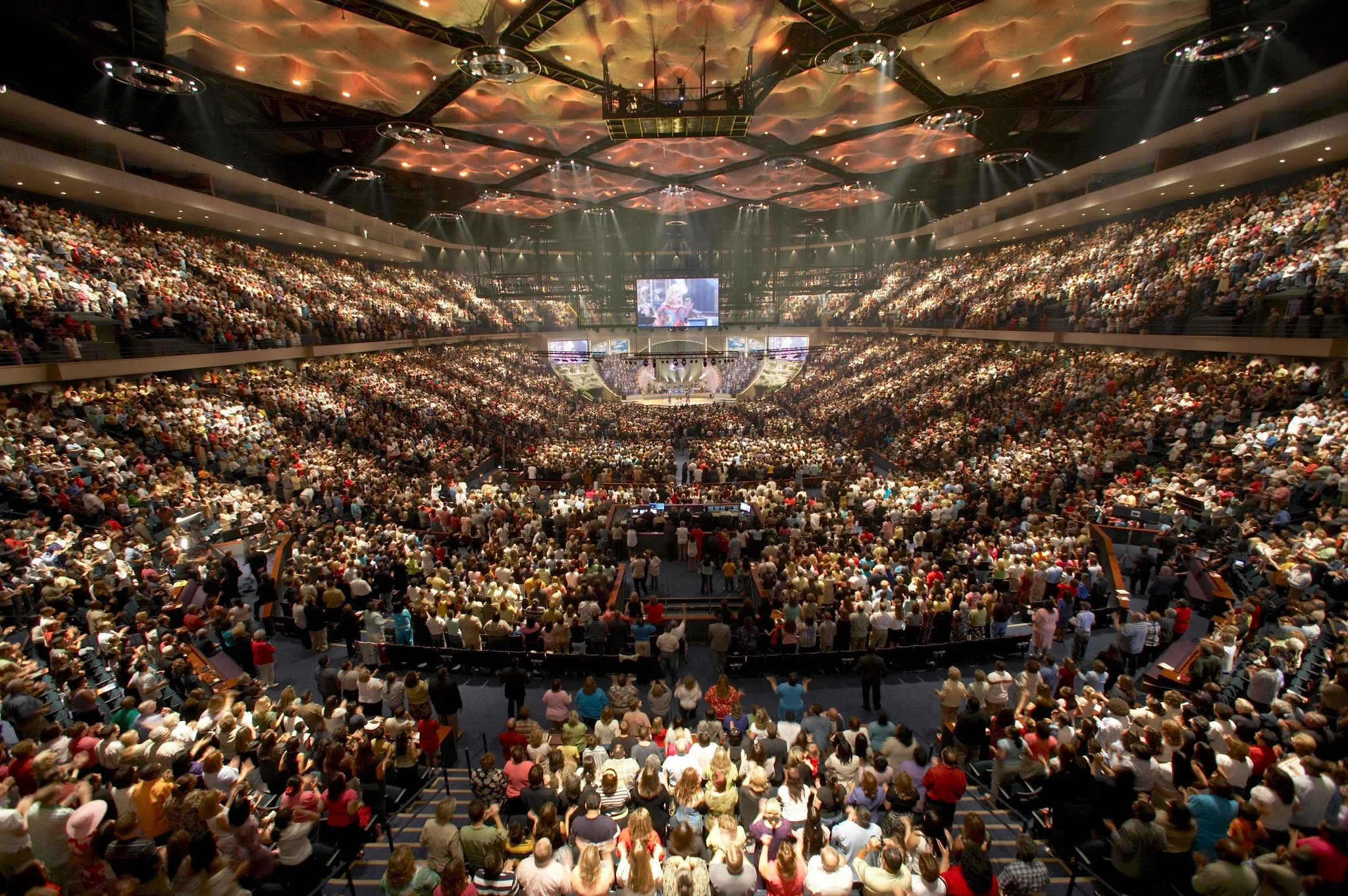
Ep. 39: Evangelicals Need to Come Out of Their Corners
EQ: How is Evangelicalism supporting white supremacy in American churches and government today and what do we do about it?
We are joined by Erin Jones, award-winning educator, independent education & systems consultant, public speaker, former candidate for State Superintendent (OSPI). As we unpack our essential question, we discuss the tension between faith and doubt, specifically that both are healthy. We wrestle with why so many people of faith unquestionably believe in their leadership (pastors) and are told to just “Do” rather than think about what they are doing. We explore the loaded nature of the word “evangelicalism” including how it’s changed meaning over time and gets interchanged with “Republicanism”. Evangelicalism has been boiled down to arguments about pro-life, gay marriage, guns, and voting for Trump. Erin also shares about her experience as a woman of color navigating white Evangelical churches. Finally, we discuss why it’s critical for Christians who don’t buy into the fear-mongering to come out of our silos and corners to engage in conversations about faith, religion and justice.
Related Readings:
The New York Times: 11am Sunday is Our Most Segregated Hour
America Jesuit Review: Sunday is Still the Most Segregated
The New Yorker: Evangelicals of Color Fight Back
“This is Not of God” New York Times
Christian Social Justice Organization “Sojourners”
From WA Post: The Walls Around Trump Are Crumbling: Evangelicals May His Last Resort
The NY Times: Why Trump Reigns as King Cyrus
John Pavlovitz on Twitter & website “Stuff That Needs to Be Said”)
Do Your Fudging Homework:
Annie: Are You an Evangelical? Are You Sure? by Jennifer Kurtzleben for NPR.
Hope: Jim Wallis America’s Original Sin
Erin: Words Matter Podcast, Quick to Listen (liberal learning Christians), Living in Effect, Faith Factor
Ways to contact you: Email: erinjones93@gmail.com, Facebook: Erin Jones 2016, Instagram: erinin2016, Twitter: @erinjonesin2016

Ep. 38: Racial Equity in AP, IB, and Honors Courses Matters
EQ: Why is educational access and access to rigorous, transformative educational experiences important?
Guest: Kim Thomas, Partnership Director for Equal Opportunity Schools and total badass. “Kimberly is deeply committed to educational access, equity and transformation and to the challenging, but critical work of ensuring that marginalized students have access to rigorous, transformative educational experiences.”
This episode takes a deep dive into equity issues in schools with the incisive, brilliant, and hilarious Kim Thomas. Topics include:
Kim’s experience growing up on the south and, later, eastside of Tacoma and her enrollment in Lincoln High School’s one and only AP course in the mid-90s.
Gatekeeping among school staff and within school systems that limits access to rigorous coursework for historically undeserved populations.
The Race Gap in High School Honors Classes—The Atlantic
The Two Faces of AP —NY Times
When i Comes to Advanced Coursework, Equity Matters—Nate Bowling
When Educators Act Like Gateways—Art Worrell
When You’re the Only Black Kid in a Sea of White Faces—Anjanique Barber
Defining rigor in the context of AP and IB courses (HINT: it’s not just a ton of work of a fast pace)
Committing to the work of racial equity in high-rigor coursework by both getting students in the door and supporting them in their context to be successful.
Guilty Favesies (accidental food theme):
Kim: all manner of delightfully junky food
Annie: Giant American tortillas
Hope: late night Taco Bell quesadillas with green sauce
Do Your Fudging Homework:
Kim: Scene on Radio “Seeing White” series
Annie: for educators - examine academic gatekeeping in your building
Hope: look at your own workplace and practice with the goal of being more equitable
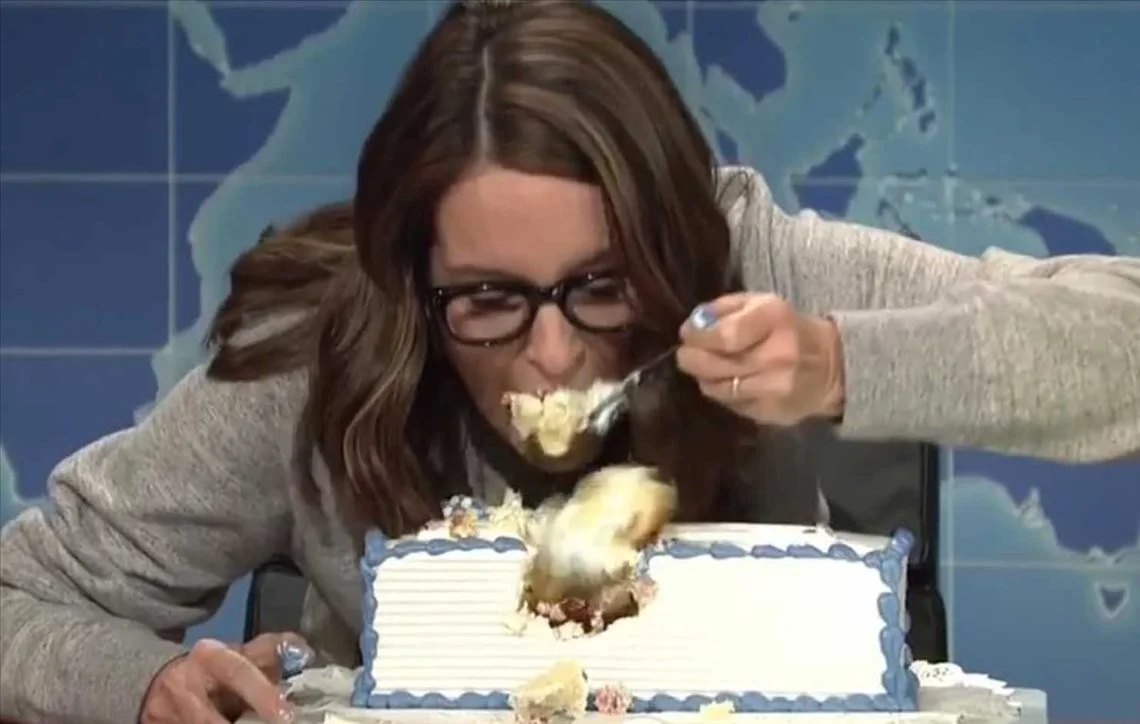
Ep. 37: Let’s All Be Really Healthy...Let’s Also Eat the Sheet Cake
Our EQ: What is diet culture, why is it so insidious, and how is it related to white privilege and the patriarchy?
Sponsor: Talking About Your Body Weight
Guest: Stephanie Skaggs, high school Humanities educator from Tacoma and woman of thiccness. She’s a third generation Tacoman and has a BA and Master’s in Teaching from Western Washington University.
This episode is inspired by the yearly conversation about “wellness” (aka diet and weight loss) that creeps up around the holidays. Topics include:
Our history of dieting, including the heritability of diet culture (we’re looking at you, moms and grandmas). Cabbage soup, French Women Don’t Get Fat, Atkins. The WORKS.
Diet trends - see this handy graph.
The relationship between wellness and wealth (and thinness as a status symbol).
The coded and secret language women use to talk about their bodies.
The changing conversation around obesity, including shifting definitions of health.
Stephanie’s extremely compelling primary source document - 1972 edition of The Joy of Sex and particularly the section entitled “Problems,” that is both fat-shaming and racist.
Double standards about male and female bodies and how they’re treated (Stephanie brings some insight about growing up with brothers, including how wonderful and supportive her family was. Hope talks about growing up with sisters). We figure out that even in supportive homes, there is intense pressure from society.
Sara Upson, doctor and registered dietitian. She has a blog called My Signature Nutrition and a post called Diet Culture 101 that is incredibly informative. She says:
“Diet culture is a society that focuses on and values weight, shape, and size over health and well-being. Variations of diet culture also include rigid eating patterns that on the surface are in the name of health, but in reality are about weight shape or size. Diet culture is really tricky because as we have learned that diets don’t work, they (diet culture) have transformed their message to say that they are all about health. Their definition of health though, is one that is synonymous with weight- that when you lose weight (by any means necessary) then you will be healthier. By restricting your eating and eliminating food groups you will feel better and be happier. This isn’t reality. The reality is- people do crazy, unhealthy, even dangerous diet behaviors in the name of health to lose weight. That isn’t health.”
How people equate thinness with happiness and use food to protect from trauma (read Roxanne Gay’s Hunger).
The crossover between diet culture and multi-level marketing and diet culture in schools.
Working with youth and modeling self-care for them in the classroom (including avoiding negative self-talk and body talk).
Taking apart the toxic crap:
The Anti-Diet Movement - comes in different forms on the internet, but the basic idea is to stop dieting and accept your body.
Focusing on goals that aren’t related to weight loss, but are for your health - like daily walks with the intention of clearing your head, not racking up steps or torching calories.
Studying diet culture and learn how to avoid its pitfalls. Check yourself when you’re talking about it.
Being intentional about body positivity and avoiding negative language. Give more genuine compliments.
Queer culture - outside the patriarchal male gaze?
Guilty Favesies:
Annie: Riverdale - delicious trash. Body positive actors on the show!
Hope: reheated leftover coffee with sugar free hot cocoa mix.
Stephanie: following body-positive Instagram accounts (gabifresh! Nabela Noor!)
Do Your Fudging Homework:
Annie: Read an article on the Frisky called “Girl Talk: I’m Sick of Women Talking About Weight” by Wendy Stokes. The author talks about those social situations in which women reinforce negative talk about weight with each other. The Sexual Politics of Meat by Carol J. Adams.
Hope: a super awesome book about body types - Body Drama by Nancy Amanda
Stephanie: Roxanne Gay - articles and books. She’s great.

2019: Read, Listen, and Subscribe
This is the time of year to make some resolutions, and hope for a stronger, brighter new year. It’s also prime time to renew your commitment to anti-racism and fighting injustices in the world.
We’ve compiled a list of our top books and podcast recommendations. This is not a comprehensive list but a great place to start 2019.
Obvs, go read White Fragility by Robin DiAngelo. Go get a copy from King’s Books RIGHT NOW. We know it’s the IWL book club text but it is required reading for anyone who claims to be a progressive white person. We’d love for you to share you insights, comments, or conundrums by tweeting with the hashtag #readlessbasic
Good and Mad: The Revolutionary Power of Women’s Anger by Rebecca Traister. I drank the PSL latte when I listened to her interview on the Ezra Klein show “Women’s Rage is Transforming America”. You’ll find yourself “amening” immediately.
Citizen: An American Lyric by Claudia Rankine. You might think you’re a woke white person, but this book (technically a book of poetry) will remind you about why the intersections of oppression matter. If you’re white, take your time through each page. Give yourself space to consider what it’s like to be on the receiving end of racial microaggressions. Then, understand that your existence occurs 99.9?% of the time on the side of the aggressor. Cry a few tears and then resolve to stop perpetuating racism, sexism, and so on.
Channel 253. Um, yo did you know there’s a network of fantastic podcasts RIGHT HERE IN TACOMA!!??? Let’s not pretend that Hope isn’t biased towards the @NerdFarmPod host. But, ALL the shows are worth your time. Also, become a subscribing member to the network. Just $4 a month!
From our listeners:
Strangers in Their Own Land by Arlie Hochschild. “In the realm of emotions, the Right felt like they were being treated as criminals and the liberals had the guns.”
How Democracies Die by Steven Levitsky and Daniel Ziblatt. “This puts in words something that has been gnawing at the back of my brain. Periods of political polarization correspond with periods of racial progress. Also, it puts Trumpism in context with right wing movements around the world that I really appreciate.”
Our Body Is Not an Apology by Sonya Renee Taylor. “The cover is AHMAZING. The book focuses on radical acceptance of bodies--our own, others, all colors and abilities. It helps us think about what that acceptance looks like in action (and how self love is impossible without it).”
Listen to her interview on the Speak Out 253 Podcast, Ep 13 “Talking Radical Self” Love with Sonya Renee Taylor
Why is This Happening with Chris Hayes. “Makes me realize how little I know about many topics I thought I had a decent grasp on.”
Children of Blood and Bone by Tomi Adeyemi. “This book ignites the imagination and ties in with reality.”

Ep. 36: To All Those Who Deserve Hand-painted Christmas Cookies
Our EQ: Who made 2018 a little brighter and did their part to keep BS at bay?
We’re back with Katy Evans, the Holiday Hero, to distribute hand painted Christmas cookies to a few of the wonderful men, women, and non-binary folxs making the world a better place by fighting stereotypes, white supremacy, social norms, and #beinglessbasic
In the first half of the episode we reminisce about delicious holiday foods and childhood memories. Cookie Trays? Hundred dollar mac and cheese? Hold on to your hats, because this episode is filled with Caucasity. What the hell is rice-mello? Have you ever tried Divinity? Did you know you can smoke your cocktails with an overpriced William & Sonoma Cocktail Smoking Box.
If you’re feeling crafty, make some Reindeer Footprints or gag gifts of reindeer, elf, or snowman poop. Explore the art of popcorn balls. You can also try your hand at the many many craft projects Hope attempted with medium success like DIY ornaments or Novel Clocks.
Christmas Cookie Distribution
Axl Rose because he’s using his platform to call out BS. Read more: Axl Rose Hates Trump as much as You Do
Other hetero white-dudes standing up to white nonsense on social media
The Blue Wave (read “The Real Metaphor of The Blue Wave”)
Queer Eye (read “Why the Queer Eye Reboot is One of the Most Important Shows on TV Right Now”)
Who Shot YA Podcast “A movie podcast that isn’t just a bunch of straight white dudes”
Keep It (Crooked Media)
Ellen Pompeo for stepping out to describe what allyship looks like (yo, this conversation is ON POINT).
Laverne Cox became the first transgender woman to be on the cover of Cosmo
The New York Times, while bogus in a number of other areas, started a project to publish obituaries of notable women they had historically overlooked, including activists, scientists, and Olympians. Read more: How an Obits Project on Overlooked Women was Born
Lena Dunham Call Outs
Ariana Grande’s “Thank u, next”
Films like Crazy Rich Asians (which has been scrutinized more than any film about rich white people), Love Simon, Black Panther (Read Black Superheroes Matter)
The Winter Olympics Adam Rippon “On What It Means to ‘Show Every Part of Who You Are’”
Ava DuVernay became the first black woman to direct a film that grossed more than $100 million at the domestic box office. Read more: The Ava Effect
The Me Too Movement and the fall of Harvey Weinstein
The Mueller investigation and the promise that public officials and their handlers can and will be held accountable for wrongdoing
Guilty Favesies:

Hope: Eshakti & online stores that suck you in via Facebook or Instagram ads
Annie: Instagram - celebrities, makeup tutorials, and Hiking Bangers
Katy: Choir Stuff, especially choral music
Do Your Fudging Homework:
Hope: none from me!
Annie: ride that positive high from the holiday season and commit to a cause that will make the world a better place in 2019. I’m going to try and do more to support LGBTQ+ youth organizations in and around Tacoma.
Katy: Speak your gratitude.